Promotional Mix Details
The first known promotional products in the United States are commemorative buttons dating back to the election of George Washington in 1789. During the early 19th century, there were some advertising calendars, rulers, and wooden specialties, but there wasn’t an organized industry for the creation and distribution of promotional items until later in the 19th century.
Jasper Meeks, a printer in Coshocton, Ohio, is considered by many to be the originator of the industry when he convinced a local shoe store to supply book bags imprinted with the store name to local schools. Henry Beach, another Coshochton printer and a competitor of Meeks, picked up on the idea, and soon the two men were selling and printing bags for marbles, buggy whips, card cases, fans, calendars, cloth caps, aprons, and even hats for horses.[1]
In 1904, 12 manufacturers of promotional items got together to found the first trade association for the industry. That organization is now known as the Promotional Products Association International or PPAI, which currently has more than 7,500 global members.[2] PPAI represents the promotional products industry of more than 22,000 distributors and approximately 4,800 manufacturers.
The UK & Ireland promotional merchandise industry formally emerged as corporate marketing became more sophisticated during the late 1950s. Before this companies may have provided occasional gifts, but there was no recognised promotional merchandise industry. The real explosion in the growth of the promotional merchandise industry took place in the 1970s. At this time an ever increasing number of corporate companies recognised the benefits gained from promoting their corporate identity, brand or product, with the use of gifts featuring their own logo. In the early years the range of products available were limited; however, in the early 1980s demand grew from distributors for a generic promotional product catalogue they could brand as their own and then leave with their corporate customers.
In later years these catalogues could be over-branded to reflect a distributor’s corporate image and distributors could then give them to their end user customers as their own. In the early years promotional merchandise catalogues were very much sales tools and customers would buy the products offered on the pages.
Jasper Meeks, a printer in Coshocton, Ohio, is considered by many to be the originator of the industry when he convinced a local shoe store to supply book bags imprinted with the store name to local schools. Henry Beach, another Coshochton printer and a competitor of Meeks, picked up on the idea, and soon the two men were selling and printing bags for marbles, buggy whips, card cases, fans, calendars, cloth caps, aprons, and even hats for horses.[1]
In 1904, 12 manufacturers of promotional items got together to found the first trade association for the industry. That organization is now known as the Promotional Products Association International or PPAI, which currently has more than 7,500 global members.[2] PPAI represents the promotional products industry of more than 22,000 distributors and approximately 4,800 manufacturers.
The UK & Ireland promotional merchandise industry formally emerged as corporate marketing became more sophisticated during the late 1950s. Before this companies may have provided occasional gifts, but there was no recognised promotional merchandise industry. The real explosion in the growth of the promotional merchandise industry took place in the 1970s. At this time an ever increasing number of corporate companies recognised the benefits gained from promoting their corporate identity, brand or product, with the use of gifts featuring their own logo. In the early years the range of products available were limited; however, in the early 1980s demand grew from distributors for a generic promotional product catalogue they could brand as their own and then leave with their corporate customers.
In later years these catalogues could be over-branded to reflect a distributor’s corporate image and distributors could then give them to their end user customers as their own. In the early years promotional merchandise catalogues were very much sales tools and customers would buy the products offered on the pages.
Promotional Mix

Promotional Mix

Promotional Mix
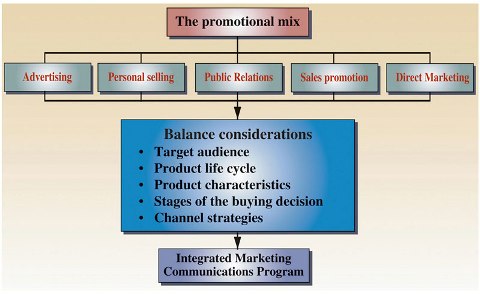

Promotional Mix

Promotional Mix
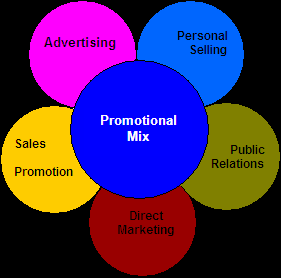
Promotional Mix

Promotional Mix
Promotional Mix

Promotional Mix

Promotional Mix

Promotional Mix

Promotional Mix
Promotional Mix

Promotional Mix

Promotional Mix

Promotional Mix

Promotional Mix

Promotional Mix
Promotional Mix

Promotional Mix